Find it first
Sewer Line Locating & Leak Detection
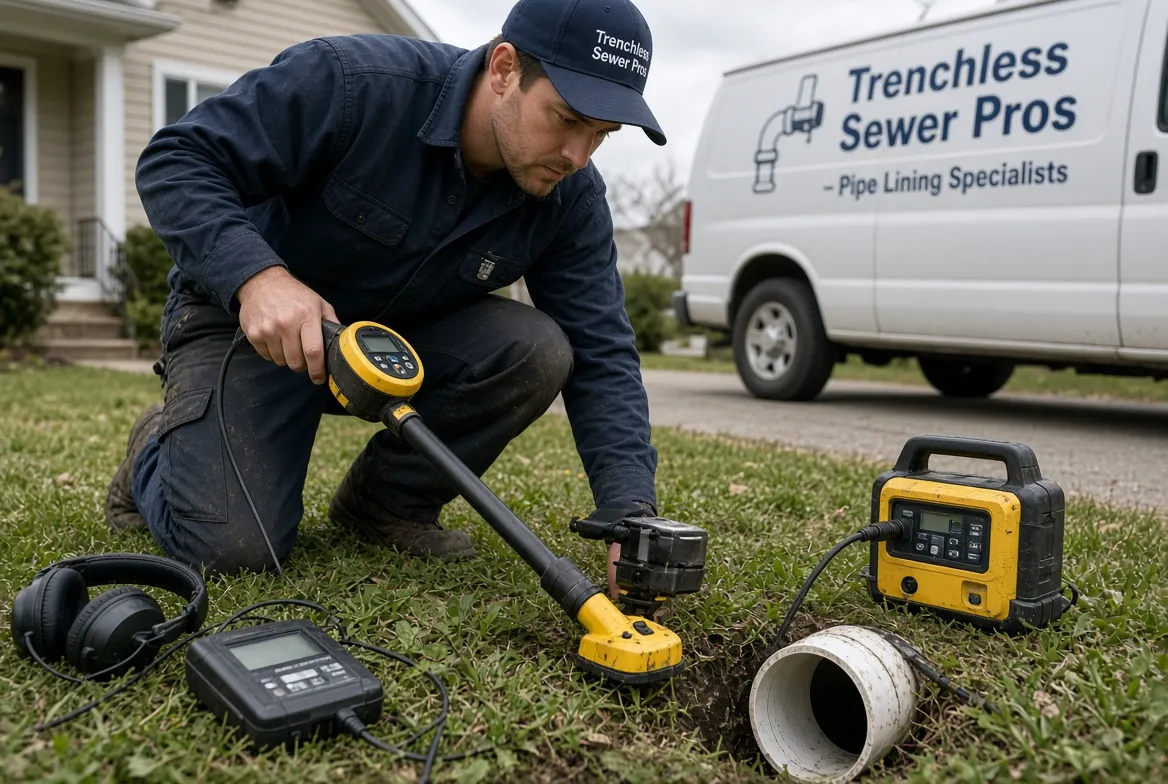
Electronic locating maps the exact route and depth of your line, so excavation is surgical instead of speculative.
A self-levelling camera runs the full line and shows you exactly what is wrong before anyone quotes a repair.
A sewer camera inspection is the only way to know what is actually happening inside your line. Everything else is guesswork — and guesswork is how homeowners end up paying for a full replacement when a single cracked joint was the problem.
We push a self-levelling colour camera the entire length of the lateral, from the cleanout to the city main, with a sonde that lets us mark the depth and position of any defect on the surface above it. You get the footage, a written findings report, and a straight answer about which repair method your pipe actually needs.
In Ohio the inspection is usually answering one question: which of the three old pipe materials is under the yard, and how far gone is it. Clay tile shows joint separation and root intrusion. Orangeburg shows an oval, blistered profile that has lost its shape. Cast iron shows the rough, layered tuberculation that narrows the bore.
That identification drives everything downstream. Sound clay with open joints is a straightforward lining candidate. Deformed Orangeburg usually is not, and needs bursting instead. Scaled cast iron needs descaling before it can be lined at all.
A good inspection answers five questions, and all five change what a repair costs:
A standard home inspection does not include the sewer lateral. The inspector looks at fixtures and visible plumbing, not the buried pipe running to the street — and that buried pipe is almost always the single most expensive thing that can fail on the property.
Replacing a residential lateral commonly runs five figures. A camera inspection costs a few hundred dollars and either clears the line or hands you a documented negotiating position before closing. We provide the raw footage and a written report you can give to your agent or attorney.
A standard Ohio home inspection does not include the sewer lateral. On a pre-1980 property — which describes a very large share of the state's housing — that is the most expensive thing on the parcel going unexamined.
A few hundred dollars either clears the line or gives you documented leverage before closing. We provide the footage and a written report you can hand to your agent or attorney.
The process
We use an existing cleanout where possible. If the property has none, we access through a pulled toilet or roof vent rather than digging.
A self-levelling camera head travels the full lateral to the municipal connection, recording continuously with footage counters on screen.
A sonde transmitter in the camera head lets us pinpoint position and depth from the surface, so any excavation is precise.
We walk you through the footage on site, explain what each defect means, and tell you what does and does not need fixing.
You receive the video and a report covering pipe material, diameter, defect locations and the recommended repair method.
Answers
Most residential inspections run between $100 and $750. The spread comes down to line length, whether a usable cleanout already exists, and whether the line needs cleaning before the camera can see anything. We quote before we start, and we credit the inspection against the repair if you proceed with us.
A straightforward residential lateral takes 30 to 60 minutes. If the line is blocked solid, we may need to clear it with hydro jetting first and then re-run the camera, which adds an hour or two.
Yes, always. Insist on this from any contractor. The footage is your evidence of the pipe's condition, it is what a second opinion will be based on, and it is what you hand to a seller, an insurer or an attorney if it comes to that.
Yes. The camera head carries a sonde that transmits to a locator on the surface, giving us position and depth. That is what makes a targeted spot repair possible instead of exploratory digging.
No. The camera head is small, flexible and pushed through on a semi-rigid rod. It cannot crack sound pipe. If a line is so deteriorated that the camera cannot pass, that in itself is a finding — it usually means collapse, and collapse means pipe bursting rather than lining.
Keep reading
Electronic locating maps the exact route and depth of your line, so excavation is surgical instead of speculative.
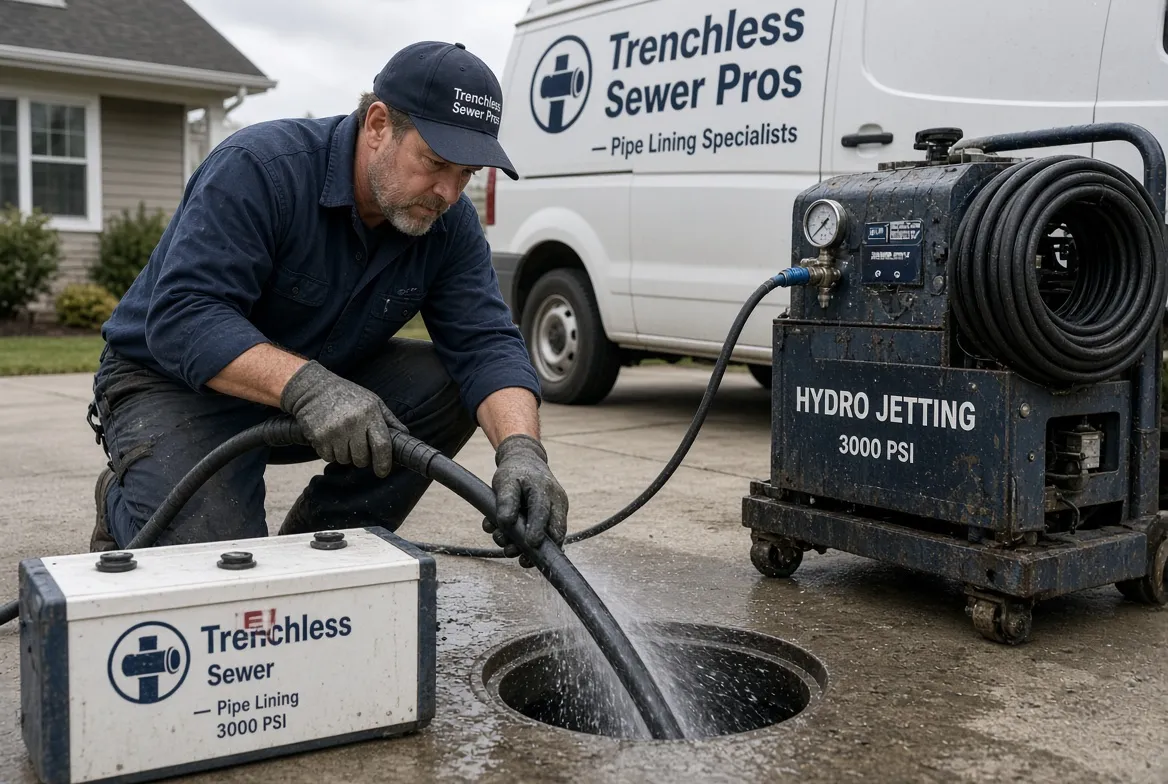
High-pressure water scours the pipe wall back to bare material — grease, sludge, scale and roots all go.
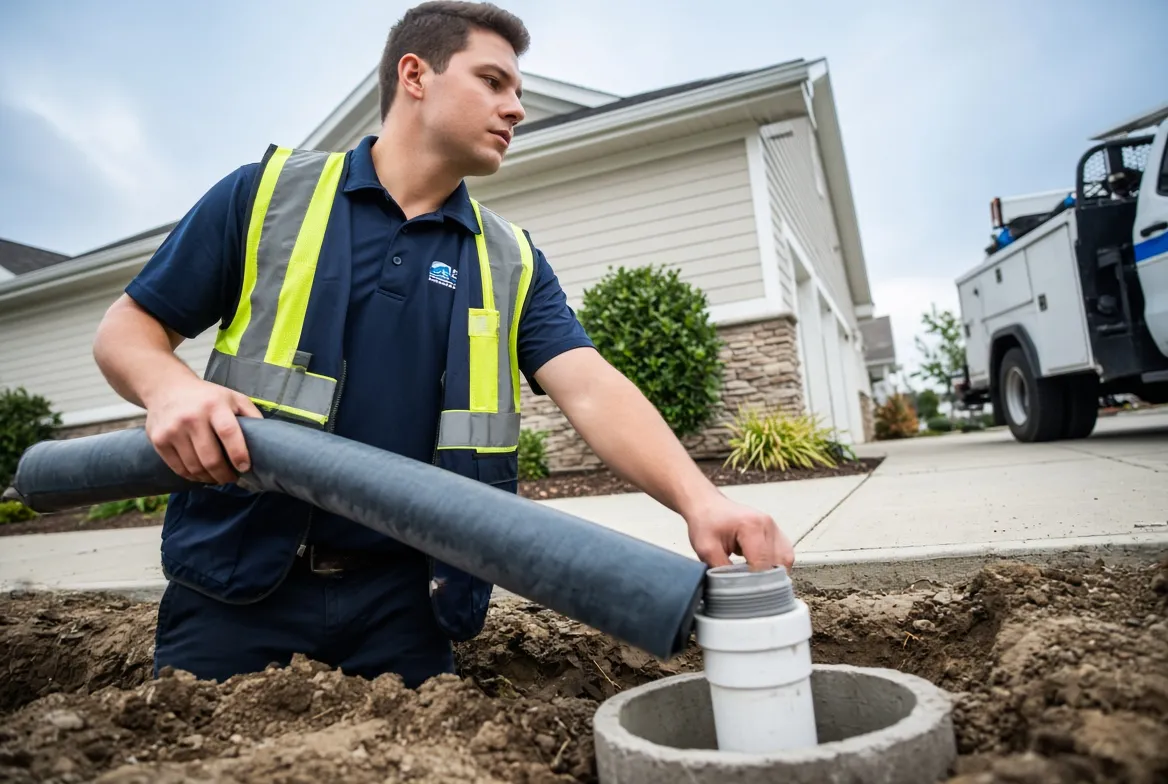
A resin-saturated liner is installed inside the old pipe and cured hard, forming a new jointless pipe within a pipe.
Lines back up at the worst possible time. We answer 24/7, anywhere in the country, and every repair quote starts with a camera inspection so you see the pipe before you spend a dollar.