Start here
Sewer Camera Inspection
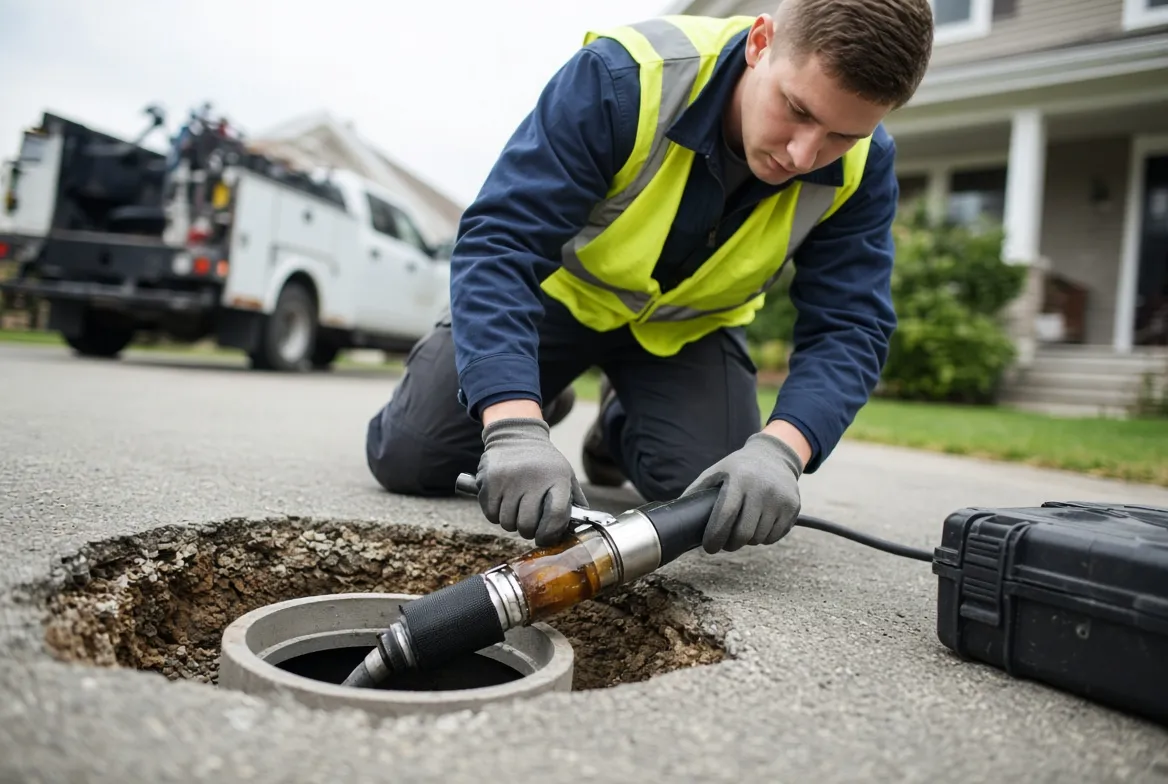
A self-levelling camera runs the full line and shows you exactly what is wrong before anyone quotes a repair.
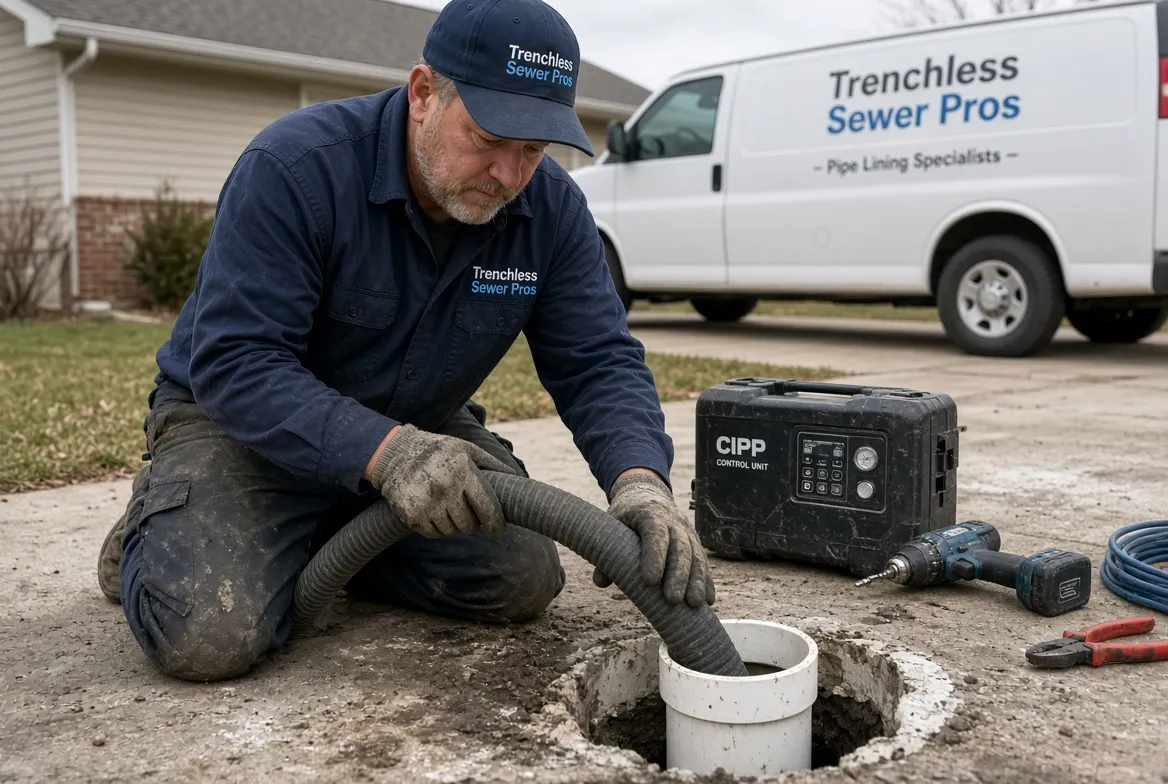
Fix a failing sewer line without digging up your yard, driveway or foundation. Cured-in-place lining and pipe bursting through one or two small access points — with 24/7 emergency response across the United States.
No-dig sewer repair
Conventional sewer repair means excavating the entire length of the pipe. For most homes that run passes under the lawn, the walkway and the driveway — and restoring those surfaces often costs more than the pipe work itself.
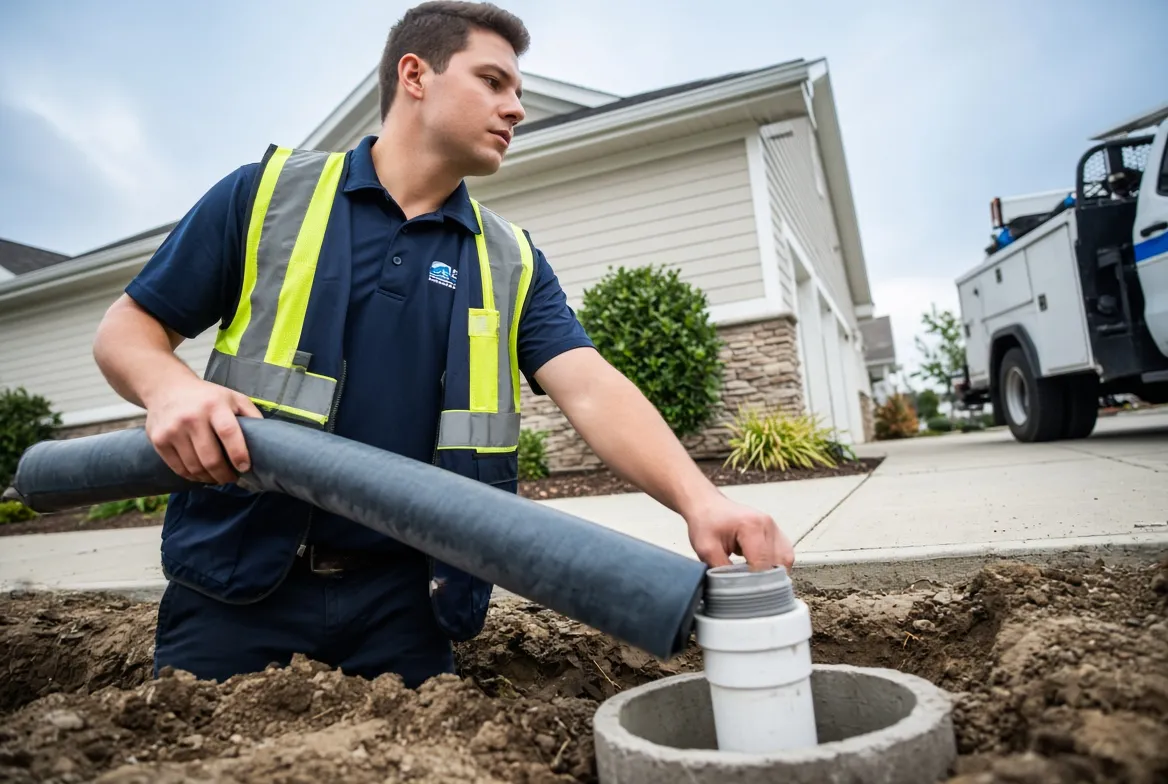
Trenchless sewer repair rebuilds or replaces the line from inside, through access points measured in feet rather than a trench measured in yards. Cured-in-place lining forms a new jointless pipe inside the old one. Pipe bursting destroys the old pipe and pulls a new one into the same path. Both leave what is above the pipe intact.
Which one you need depends entirely on the condition of the existing pipe, and there is exactly one way to find that out: put a camera down the line before anyone quotes a price.
What we do
Diagnostics, cleaning, repair and full replacement — delivered without trenching your property. Every repair quote starts with a camera inspection.
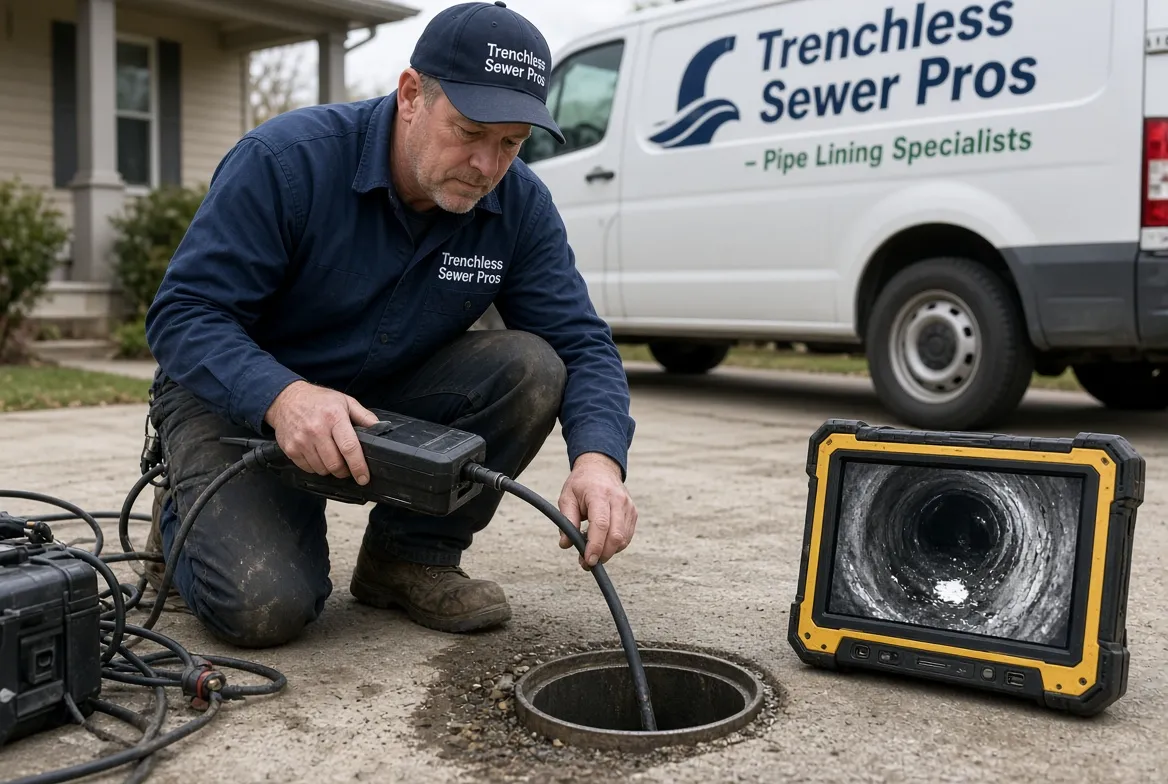
A self-levelling camera runs the full line and shows you exactly what is wrong before anyone quotes a repair.
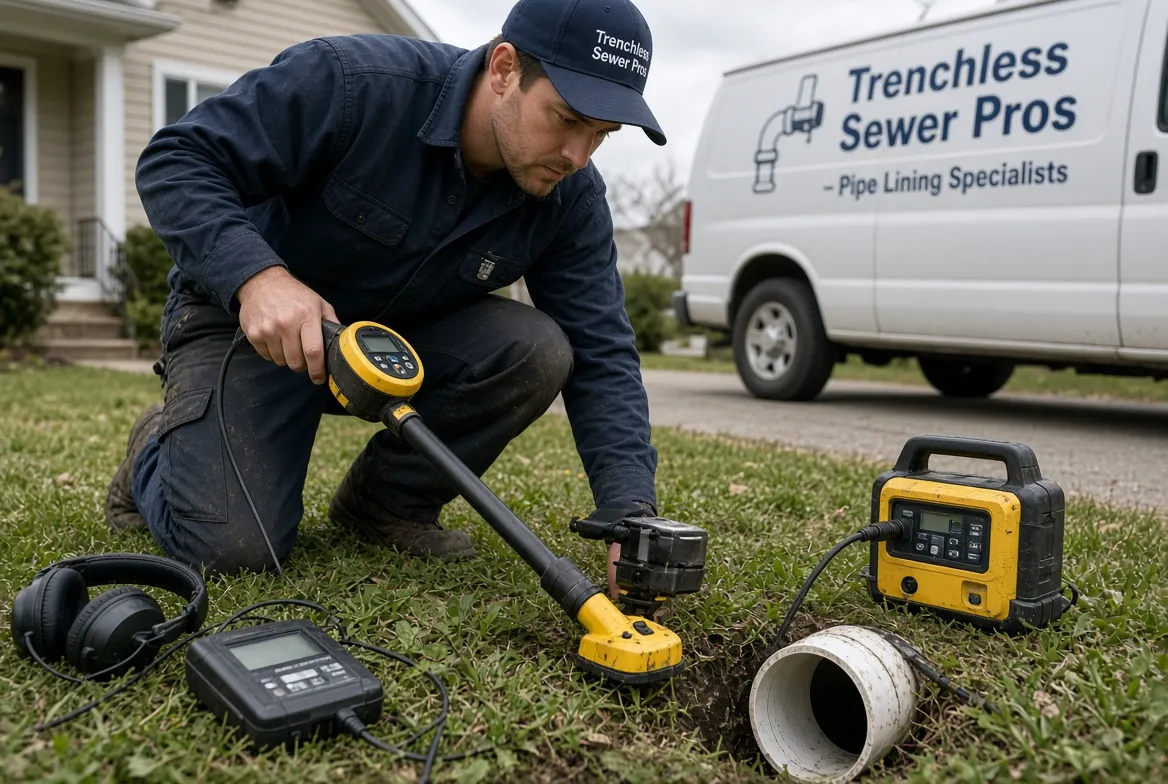
Electronic locating maps the exact route and depth of your line, so excavation is surgical instead of speculative.
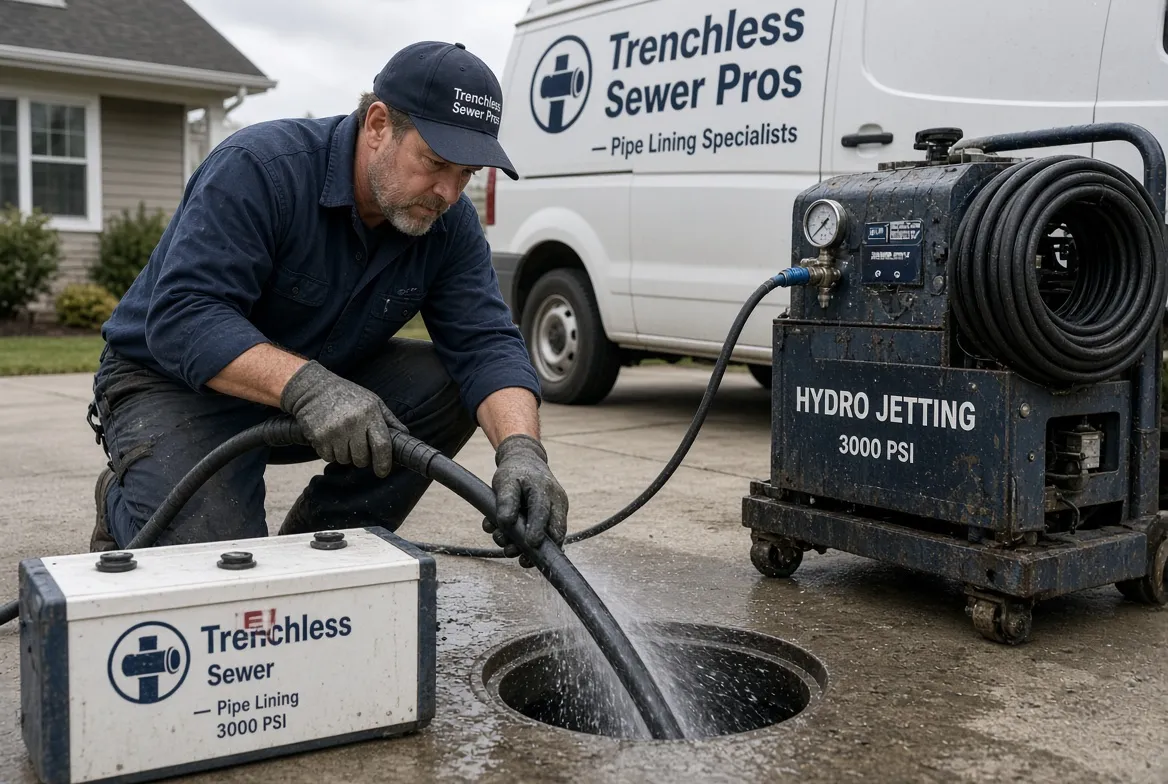
High-pressure water scours the pipe wall back to bare material — grease, sludge, scale and roots all go.
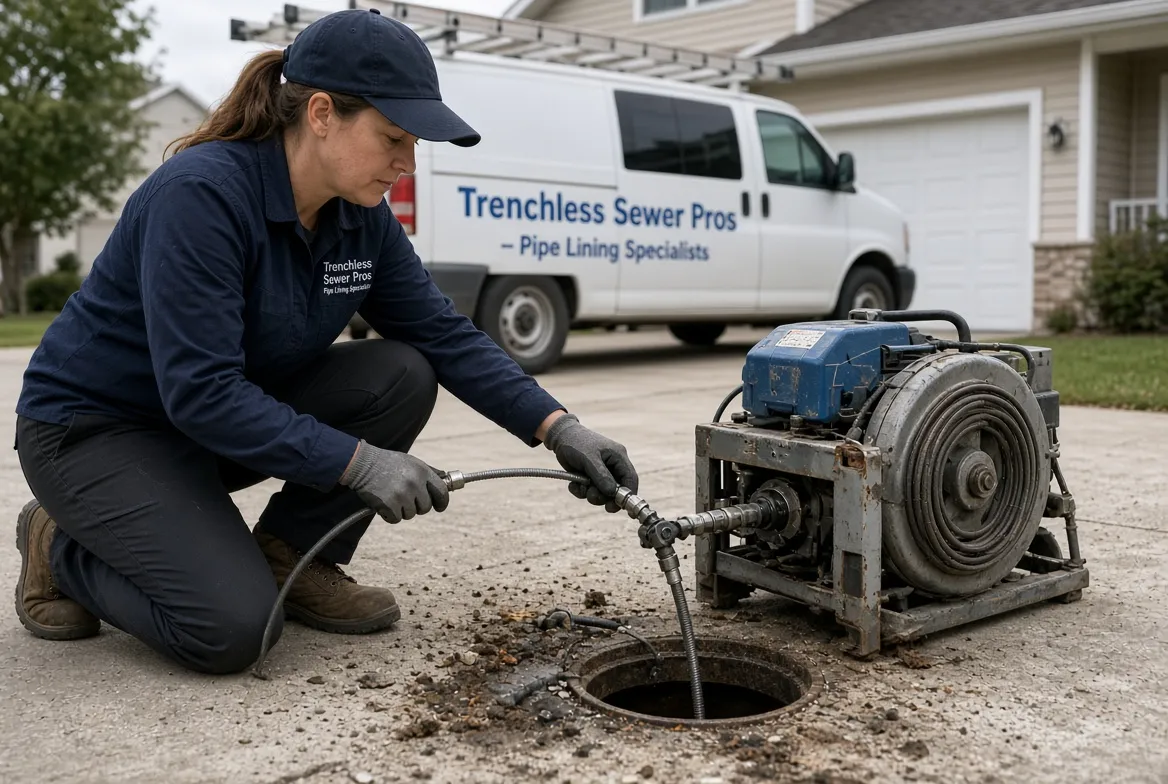
Mechanical cutting heads strip corrosion and tuberculation out of cast iron, restoring the pipe's real diameter.
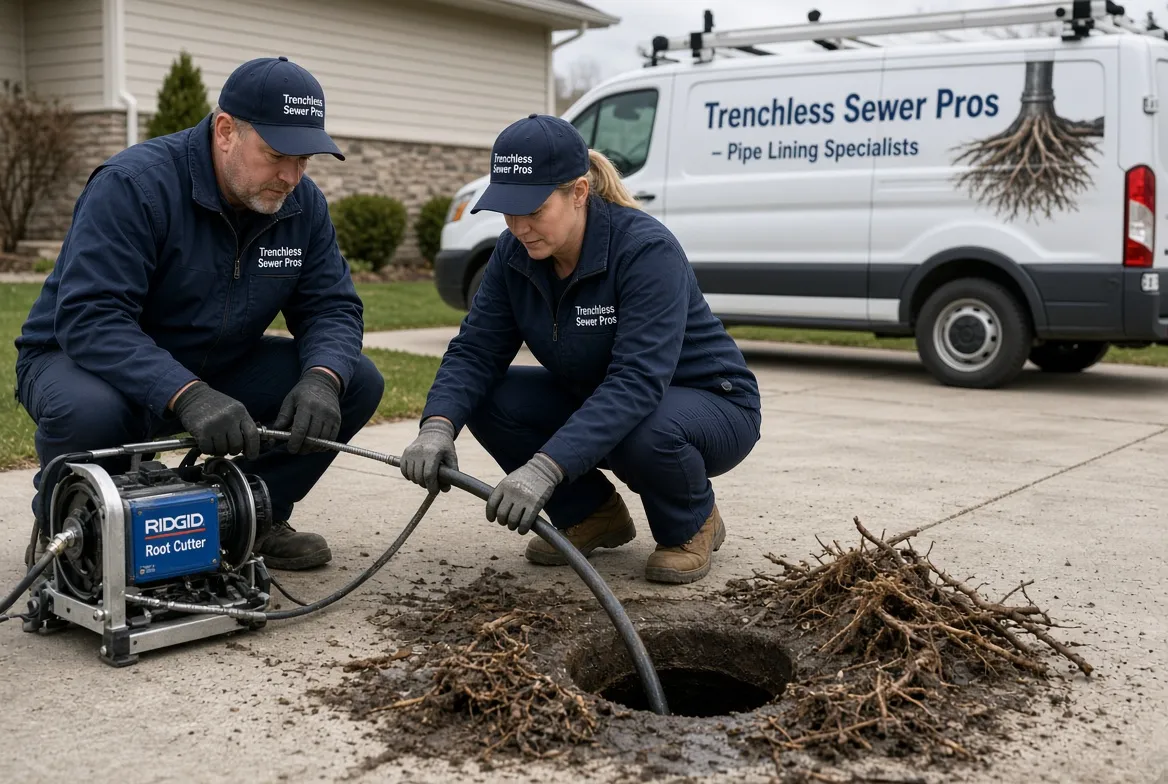
Cutting roots restores flow today. Sealing the joint they entered through is what stops them coming back.
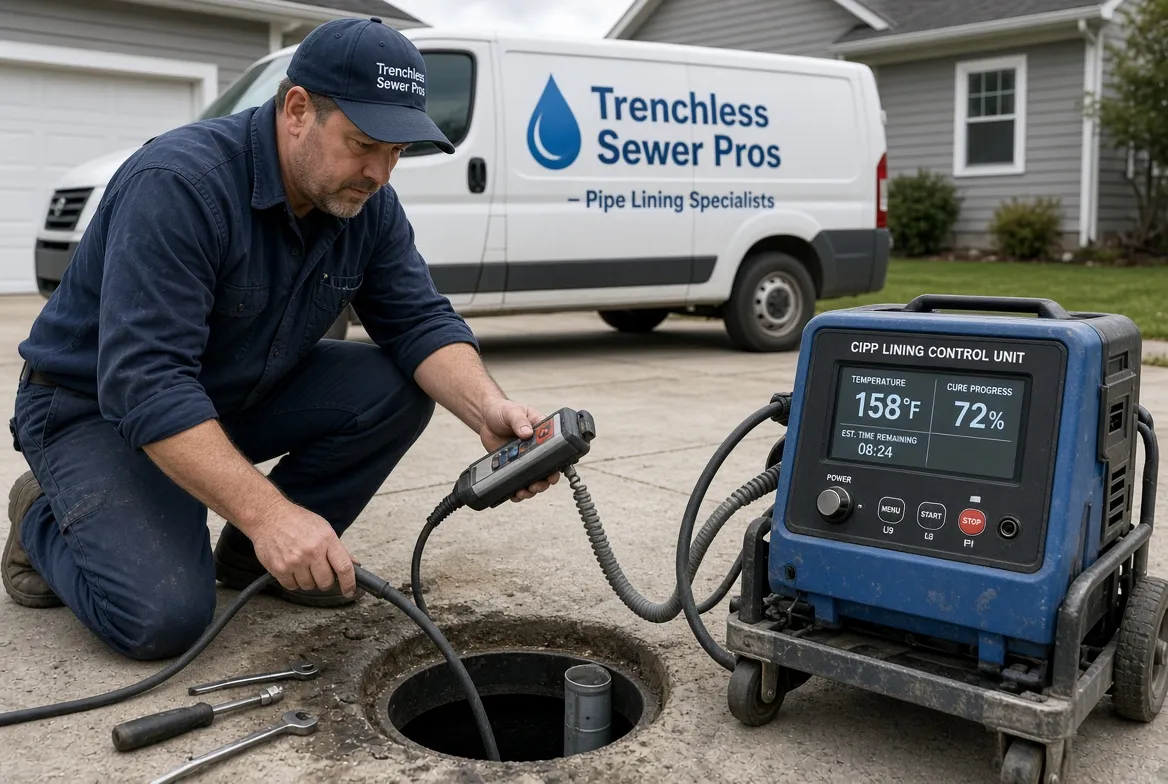
A resin-saturated liner is installed inside the old pipe and cured hard, forming a new jointless pipe within a pipe.
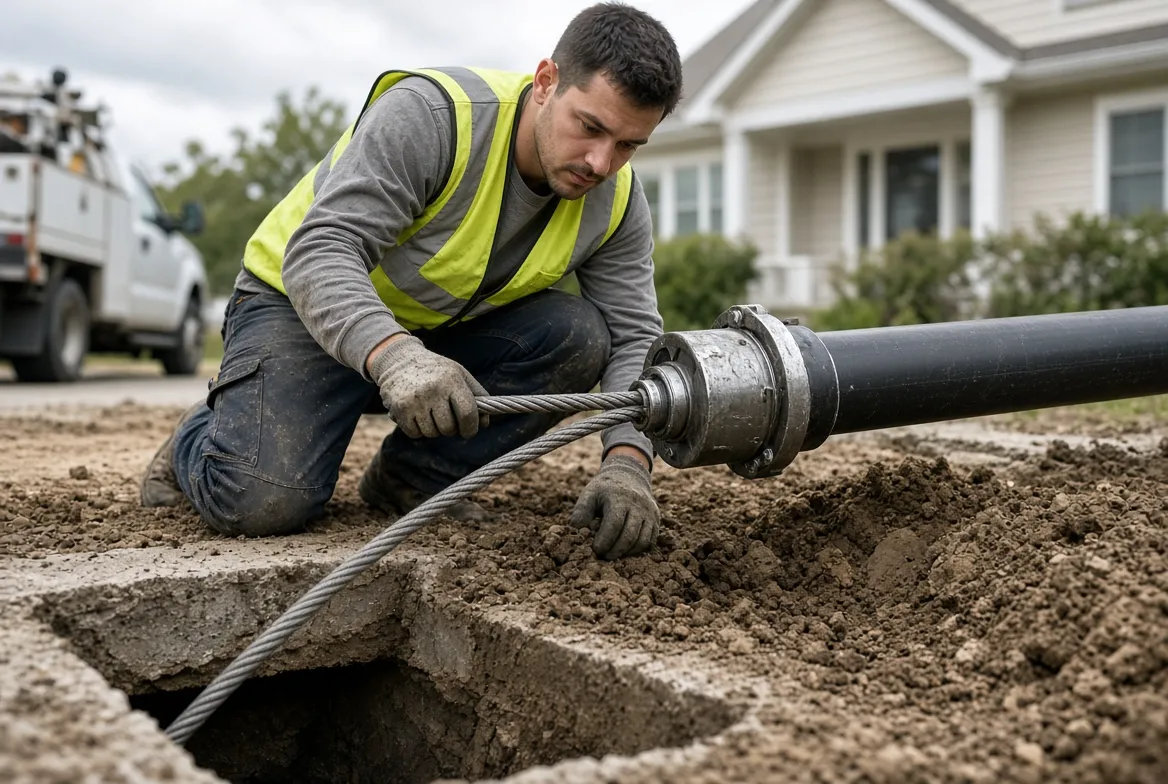
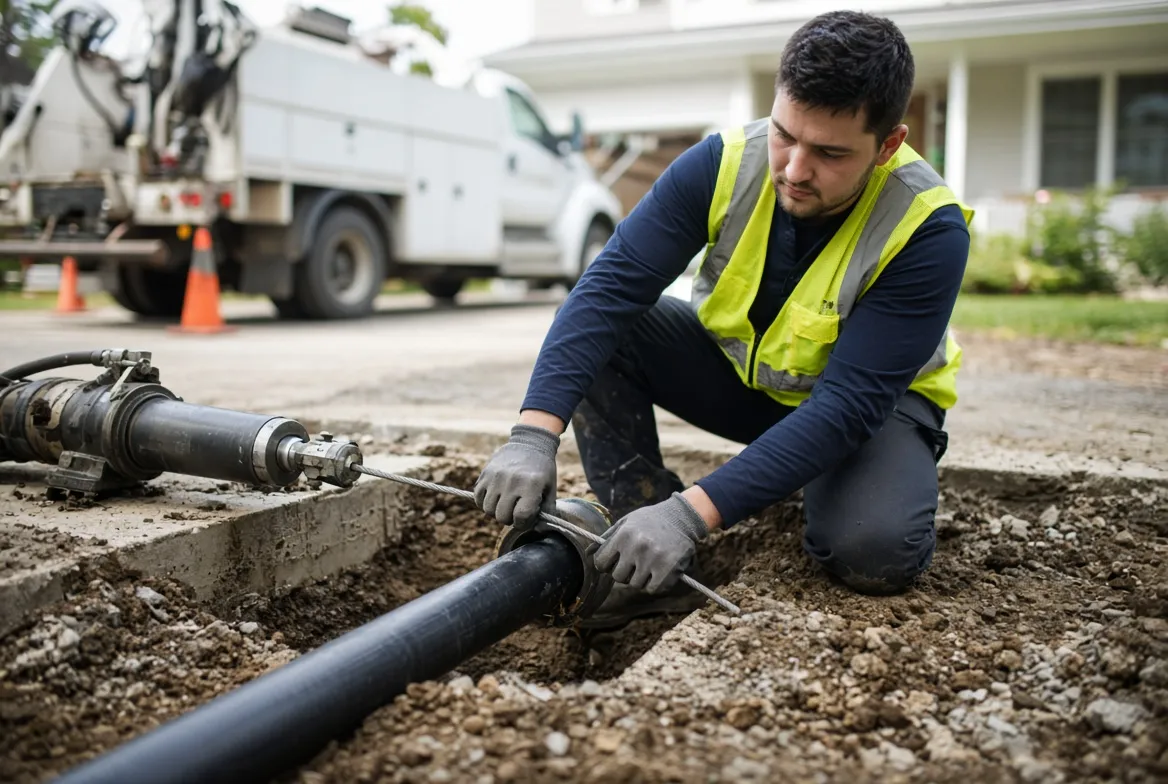
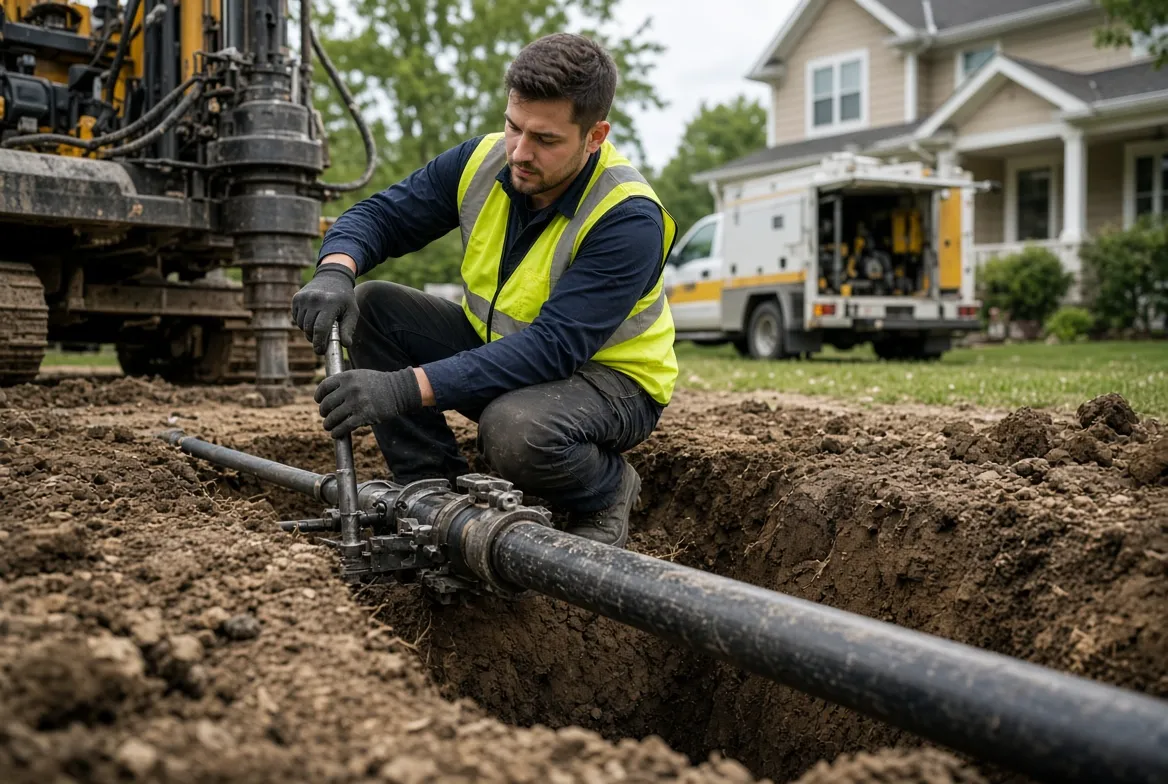
A bursting head splits the old pipe outward while pulling a new HDPE pipe into the same path — total replacement, two small pits.
One bad joint doesn't justify a whole new line. A sectional liner repairs just the damaged length.
Replace a leaking or lead water service without trenching the driveway, walkway and front lawn.
Steerable boring installs new pipe along a controlled path under driveways, roads, landscaping and waterways.
How it works
We do not quote a repair we have not seen. The inspection determines the method, and the method determines the price.
We answer 24/7, nationwide. Describe the symptoms — backups, slow drains, smell, soggy ground — and we will tell you what is likely happening before we arrive.
A self-levelling camera runs the full line. We locate every defect to the foot, identify the pipe material, and record the footage for you.
Intact host pipe means lining. Collapsed, deformed or missing pipe means bursting. One isolated defect means a spot repair, not a full line. We show you the footage and explain which applies.
A fixed scope in writing before anything starts. Most residential jobs complete in one to two days with service restored the same day.
We re-run the camera and give you the after footage. You should expect that from any trenchless contractor — if they will not provide it, ask why.
Why trenchless
Mature trees, established lawn, shrubs and garden beds stay where they are. A trench takes decades of growth with it.
Concrete, pavers and asphalt are left intact. Cutting and replacing a driveway is frequently the single largest line item in a dig-and-replace quote.
Most residential lining and bursting jobs are finished in one to two days. Open-cut replacement plus surface restoration can run a week or more.
A cured liner has no joints for roots to enter. Fused HDPE pulled in by bursting has none either. Joints are where old sewers fail.
Where we work
Trenchless Sewer Pros dispatches across the United States, every day of the year. Emergency backups do not keep business hours and neither do we.
Browse our local coverage below for area-specific guidance — pipe materials common to the region, who is responsible for the lateral, permit requirements, and the cities we cover.
Clay tile, Orangeburg and cast iron laterals across Cleveland, Columbus, Cincinnati, Toledo, Akron, Dayton and statewide.
We dispatch nationwide. Call (888) 964-2896 and we will route your job to the nearest available trenchless crew — 24 hours a day, anywhere in the country.
Sewage entering a building is a health hazard. Stop using water fixtures, keep people and pets clear of the area, and call us immediately.
Answers
Trenchless sewer repair is a group of methods that repair or replace an underground pipe without excavating along its length. The two main methods are cured-in-place pipe lining, which forms a new pipe inside the existing one, and pipe bursting, which fractures the old pipe outward while pulling a new pipe into its place. Both work through small access points rather than an open trench.
For a residential sewer lateral, lining typically runs $4,000 to $20,000 and pipe bursting $5,000 to $25,000. The spread depends on length, depth, diameter, how many bends and connections are involved, and local permit requirements. Smaller jobs cost far less — a single spot repair is usually $1,500 to $5,000, and a camera inspection is $100 to $750.
Often, but the honest comparison includes restoration. Open-cut replacement can look cheaper on the pipe work alone, then adds the cost of replacing a driveway, walkway, lawn and landscaping. Trenchless avoids most of that. On a short, shallow line in open ground with nothing above it, digging can genuinely be the cheaper option — and we will tell you when that is the case.
Most residential jobs are completed in one to two days. Lining a typical lateral is often a single day, with water service interrupted for only a few hours. Pipe bursting usually takes one to two days including excavating the two access pits.
A cured-in-place liner is typically designed for a 50-year service life, and municipalities applying the same technology to public sewers commonly cite 50 to 100 years of extended life. Pipe bursting installs new fused HDPE, which has no joints to fail and is not subject to corrosion.
No, and any company that says otherwise is overselling. Lining requires a structurally intact host pipe. Pipe bursting needs a path the bursting head can follow and enough clearance from nearby utilities. Severely collapsed lines in congested utility corridors, or lines that must be re-routed entirely, may still need excavation — though directional drilling often solves the re-route case.
Yes. We answer 24 hours a day, 7 days a week, nationwide, including weekends and holidays. Sewage backing up into a home is a health hazard and is treated as an emergency.
Usually not. A standard homeowners policy typically excludes sewer line repair and sewage backup damage. Coverage is often available as a separate endorsement, and claims can still be denied where the insurer determines the damage was gradual or that the system was not maintained. Check your policy and speak to your agent before assuming you are covered.
Lines back up at the worst possible time. We answer 24/7, anywhere in the country, and every repair quote starts with a camera inspection so you see the pipe before you spend a dollar.