Start here
Sewer Camera Inspection
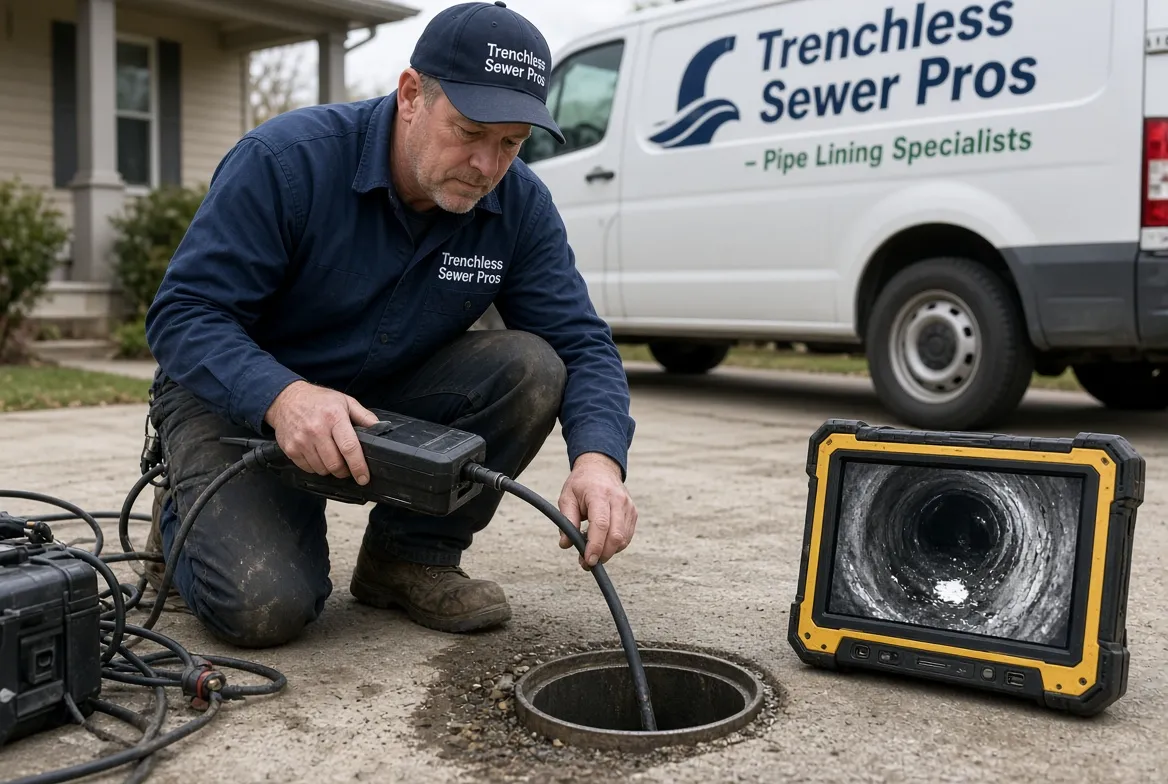
A self-levelling camera runs the full line and shows you exactly what is wrong before anyone quotes a repair.
Diagnostics, cleaning, repair and full replacement — all delivered without trenching your property. Every job begins with a camera inspection, because the condition of the pipe decides the method and the method decides the price.
1 of 4
Find out what is actually wrong before anyone quotes a repair. These are the cheapest and most useful calls you can make.
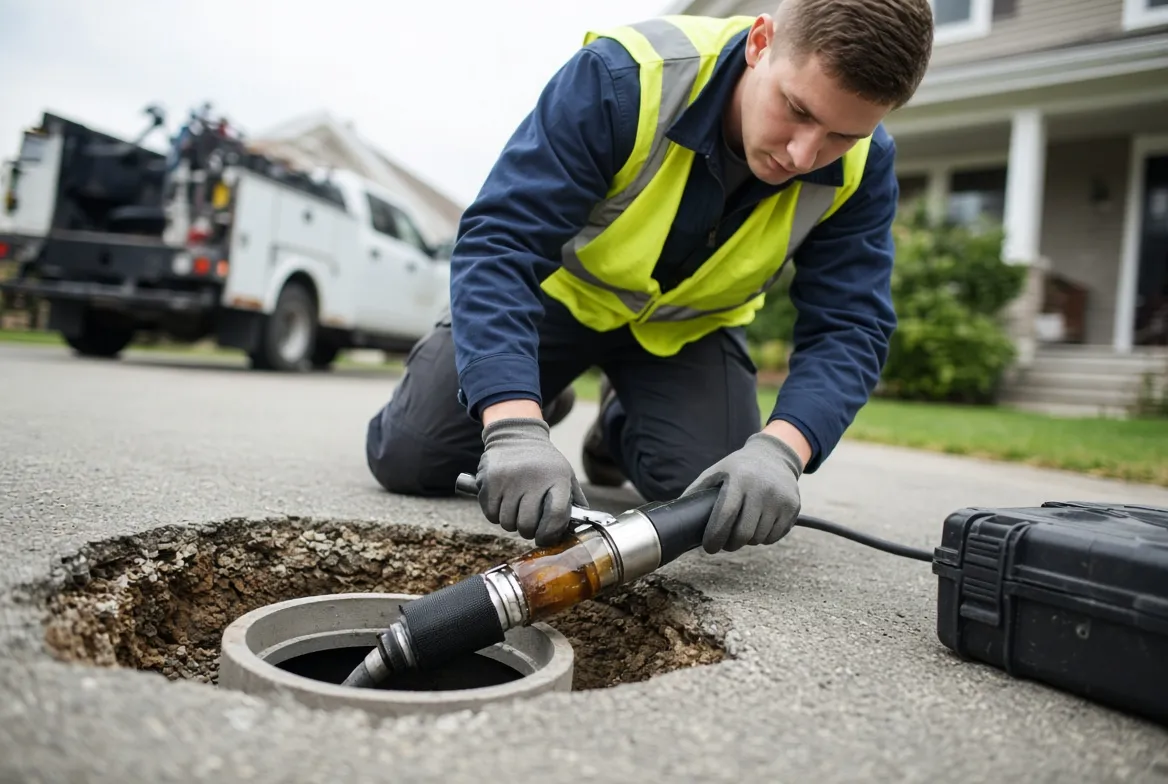
A self-levelling camera runs the full line and shows you exactly what is wrong before anyone quotes a repair.
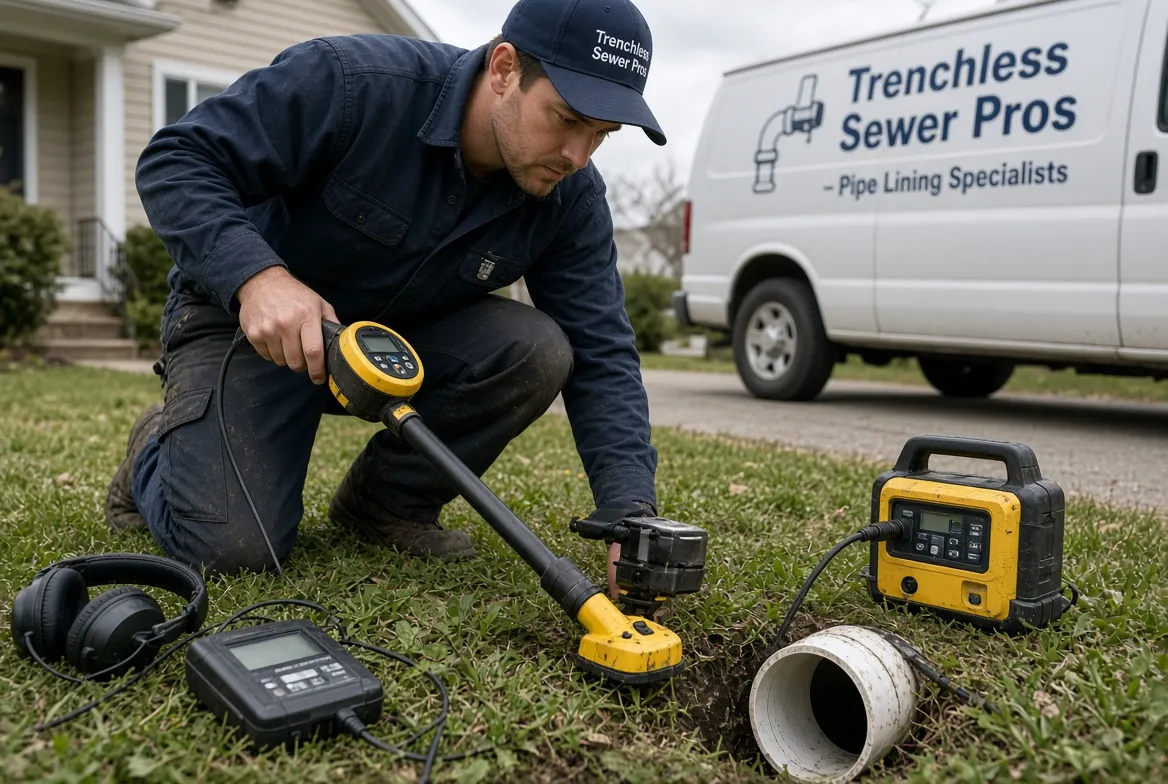
Electronic locating maps the exact route and depth of your line, so excavation is surgical instead of speculative.
2 of 4
Restore flow and clear what is blocking the line. Sometimes this is the whole fix; sometimes it is preparation for a repair.
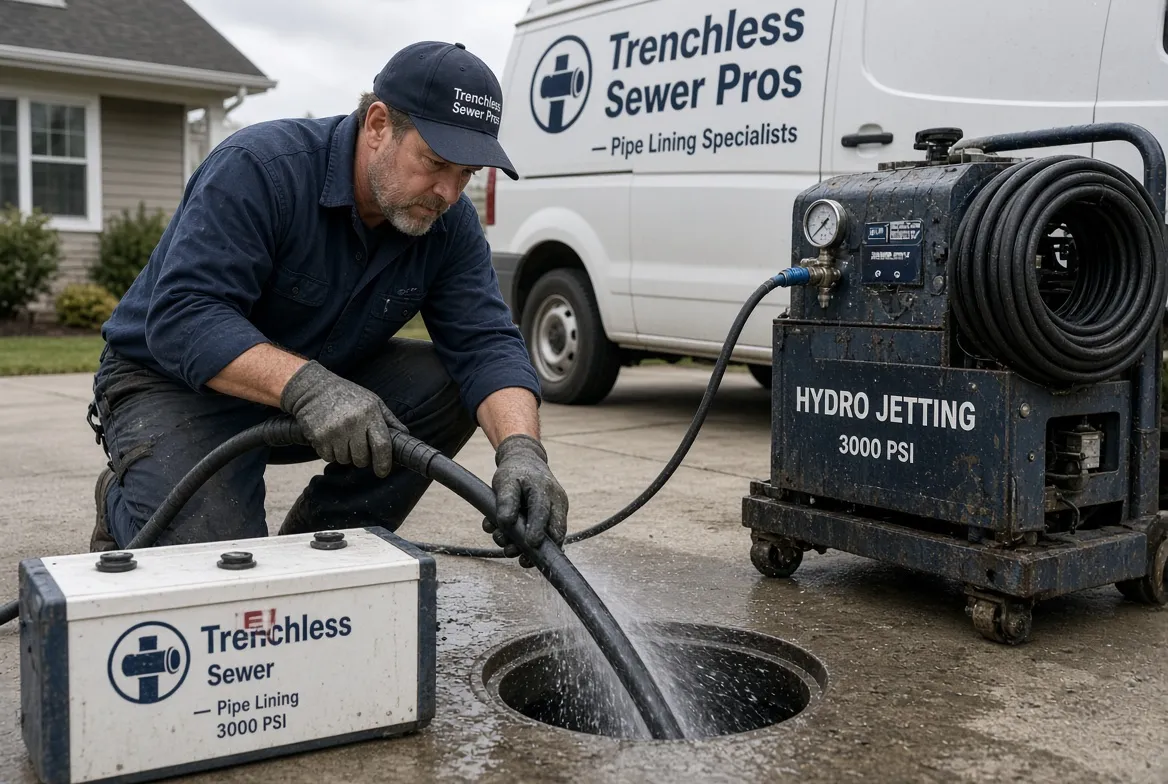
High-pressure water scours the pipe wall back to bare material — grease, sludge, scale and roots all go.
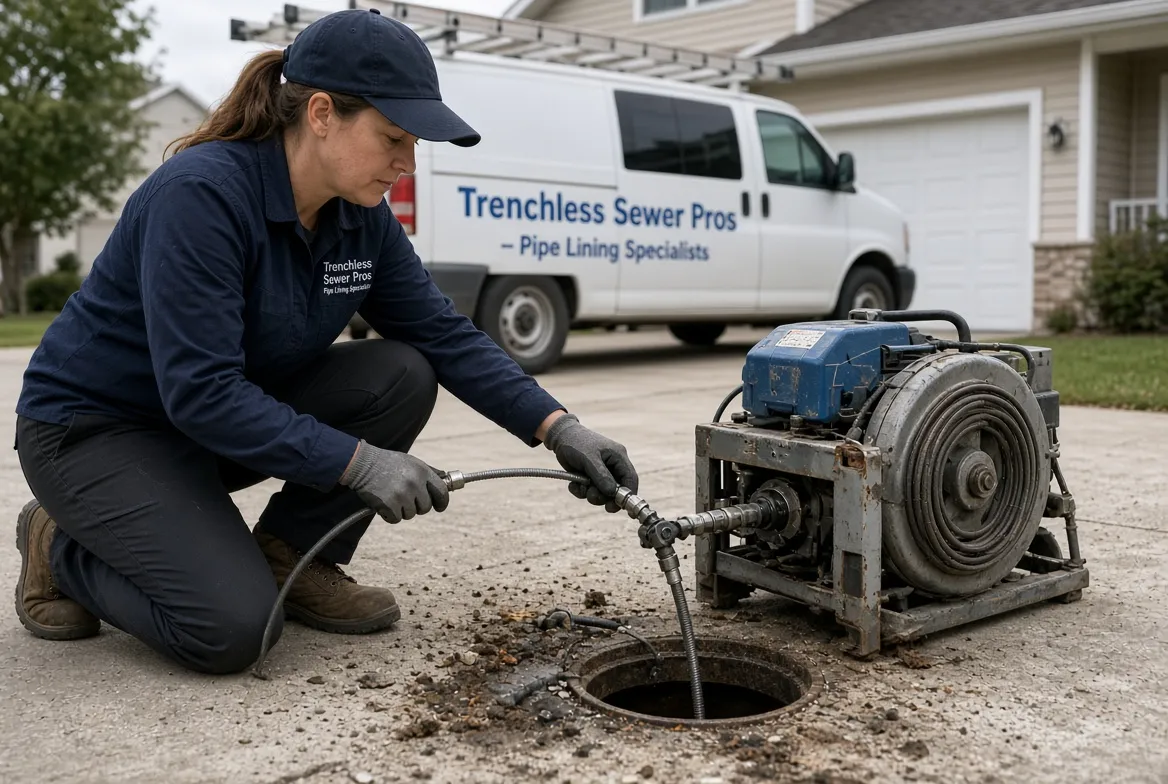
Mechanical cutting heads strip corrosion and tuberculation out of cast iron, restoring the pipe's real diameter.
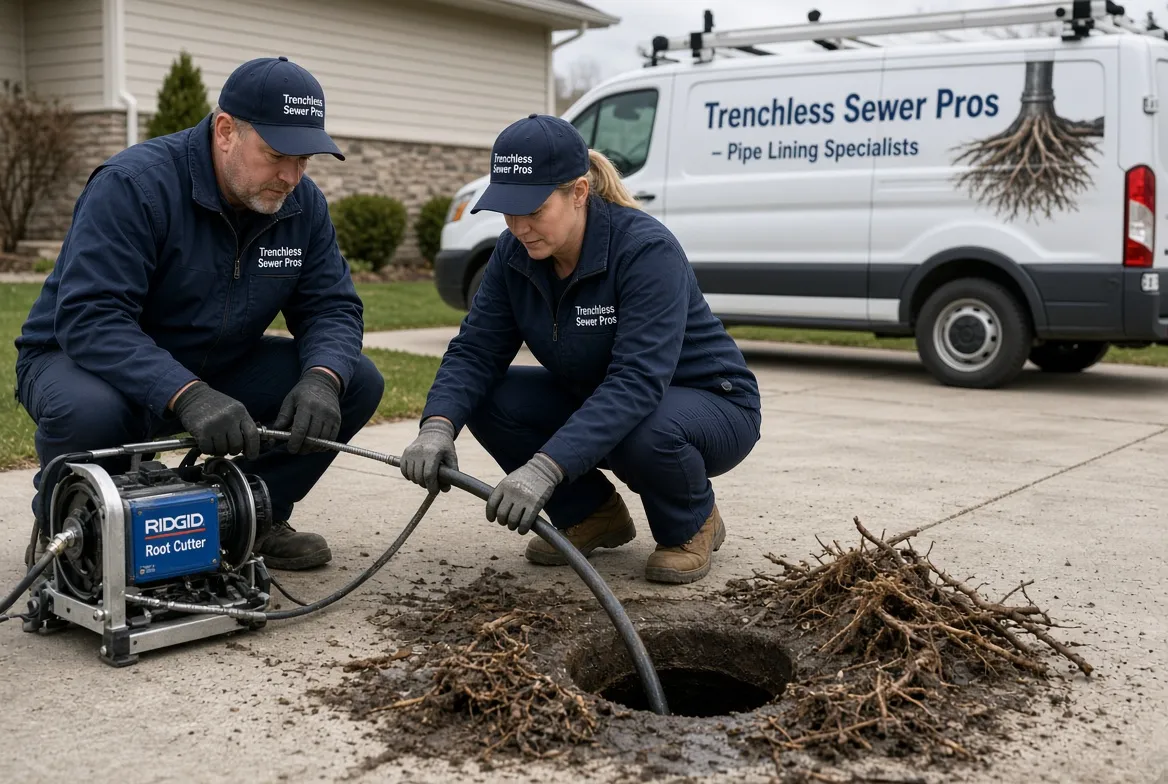
Cutting roots restores flow today. Sealing the joint they entered through is what stops them coming back.
3 of 4
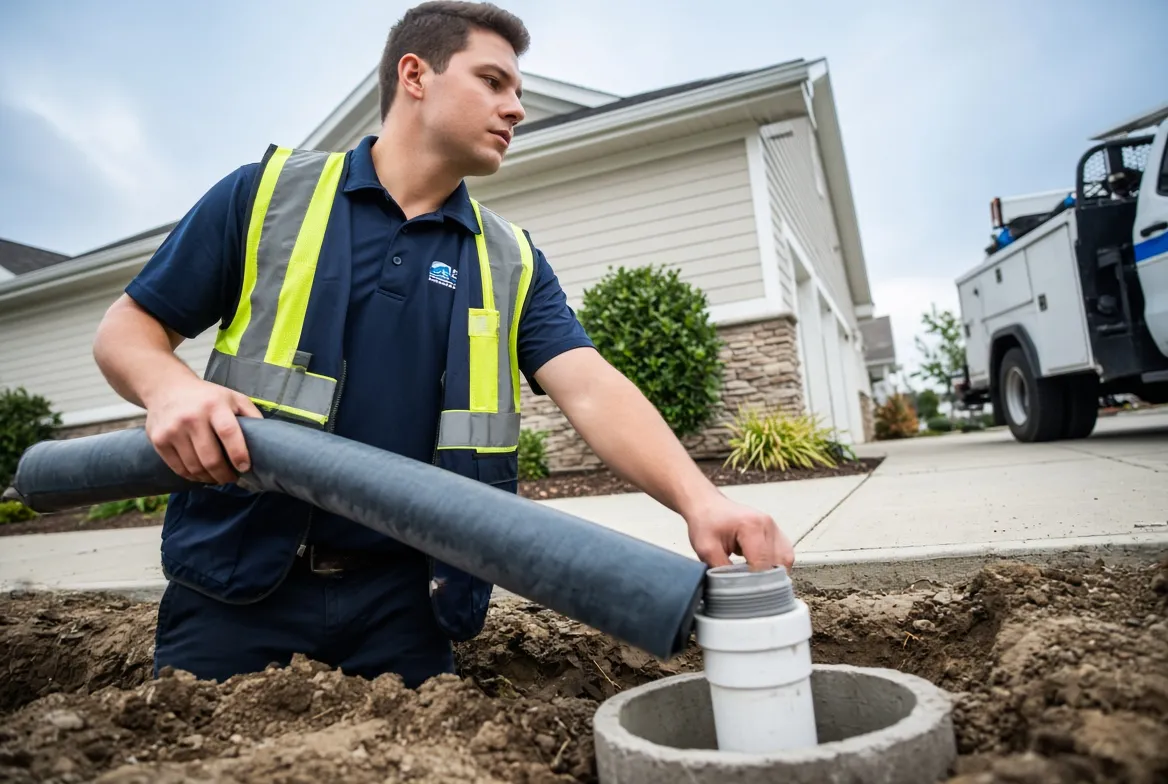
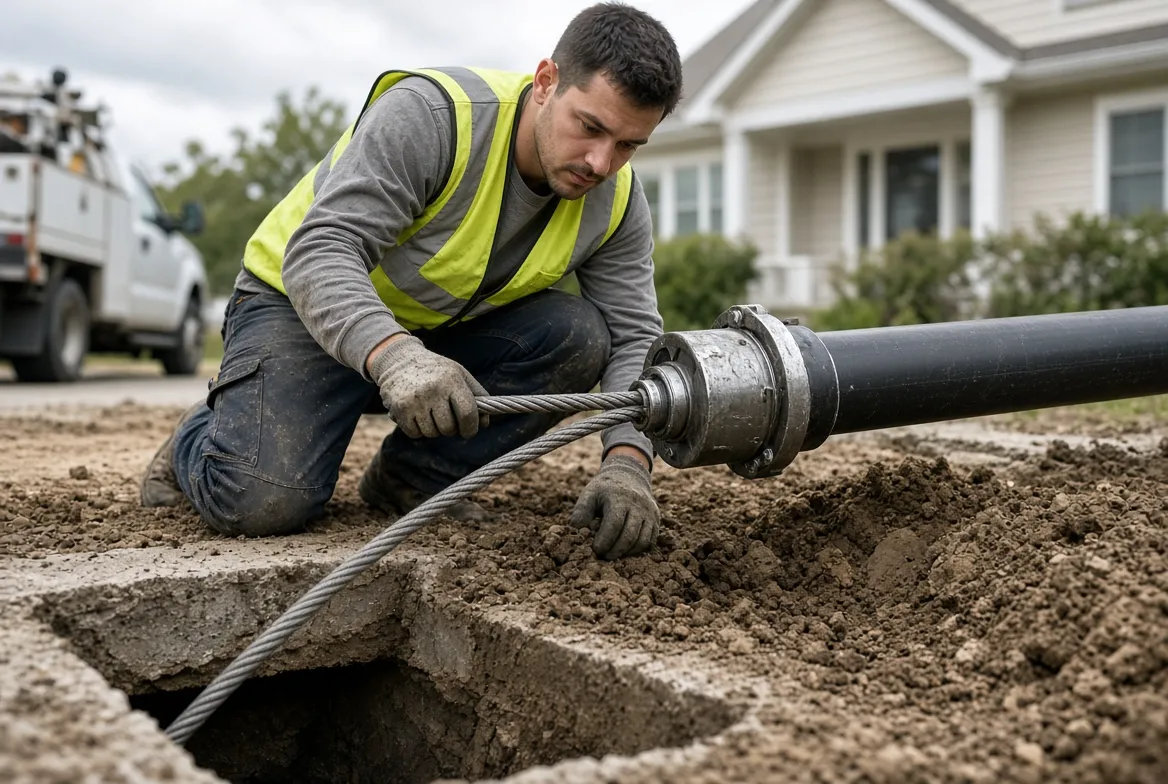
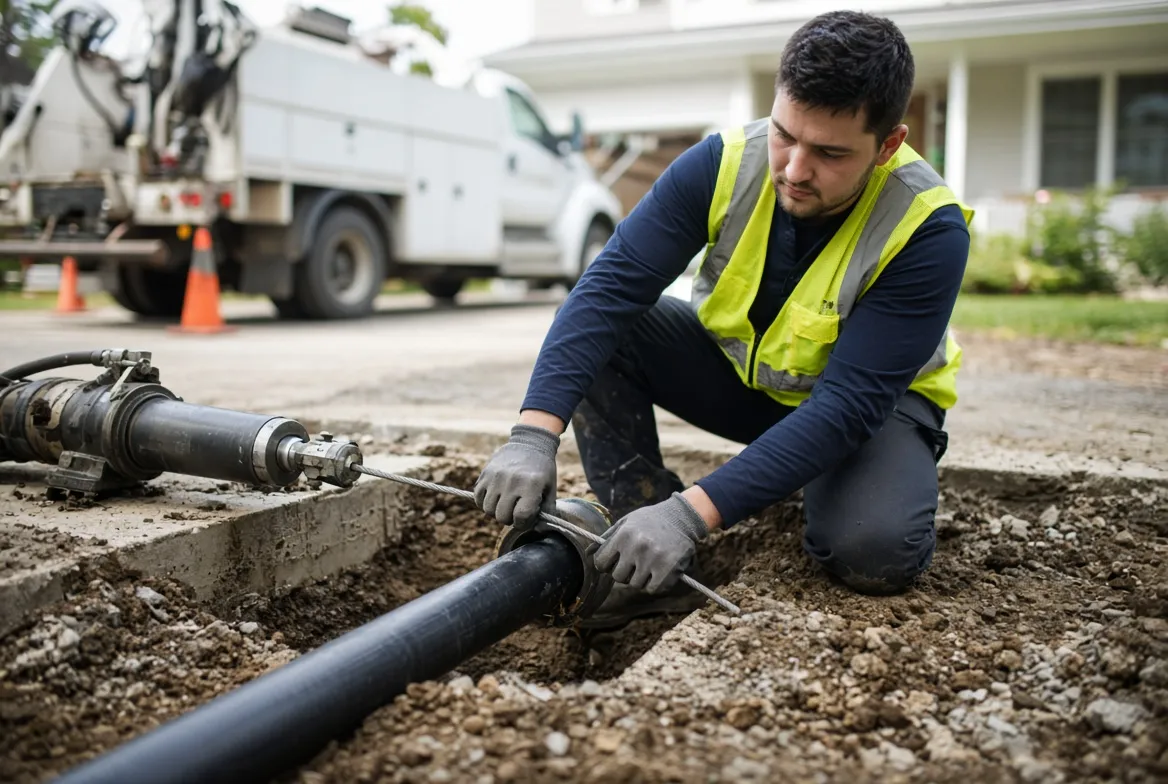
Rebuild or replace the pipe itself without an open trench. Which one you need depends on whether the host pipe is still sound.
A resin-saturated liner is installed inside the old pipe and cured hard, forming a new jointless pipe within a pipe.
A bursting head splits the old pipe outward while pulling a new HDPE pipe into the same path — total replacement, two small pits.
One bad joint doesn't justify a whole new line. A sectional liner repairs just the damaged length.
4 of 4
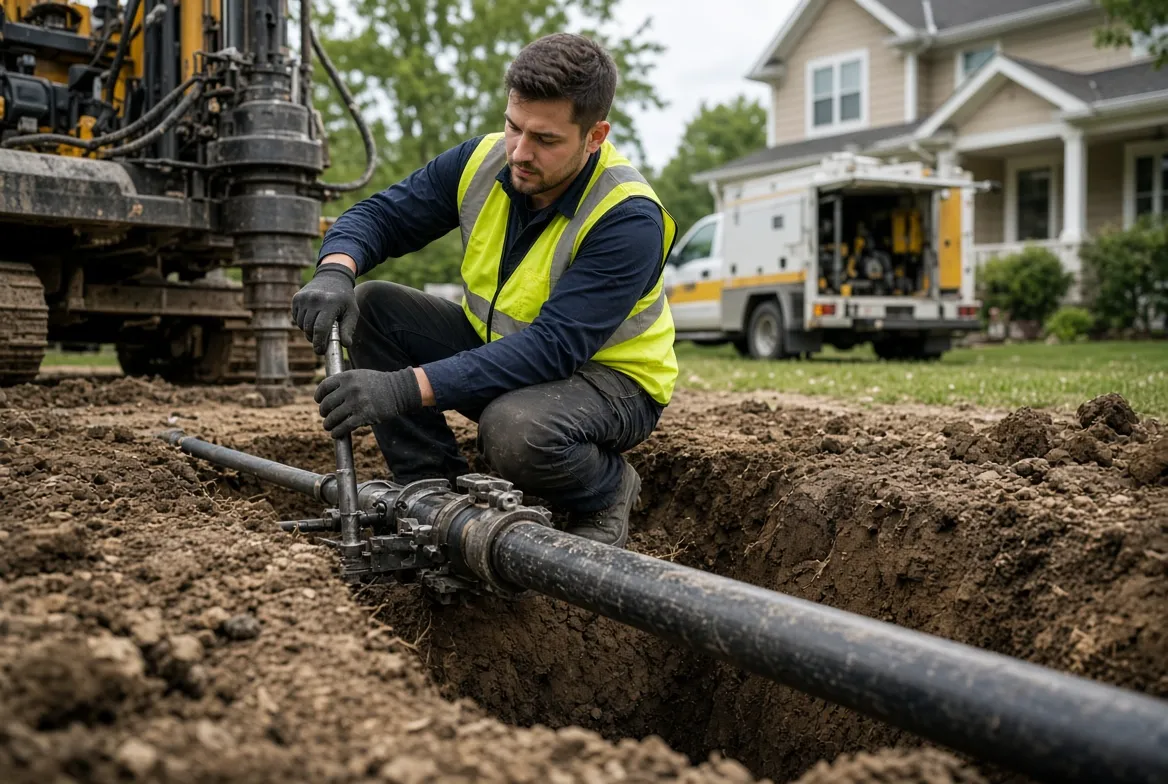
Beyond the sewer lateral — potable water service replacement and new underground installation.
Replace a leaking or lead water service without trenching the driveway, walkway and front lawn.
Steerable boring installs new pipe along a controlled path under driveways, roads, landscaping and waterways.
Answers
Start with a camera inspection. Recurring backups usually mean roots or a blockage, which points to root removal or hydro jetting. Cracked joints or infiltration in sound pipe point to lining. A collapsed or deformed pipe points to bursting. Nobody can tell you which from a phone call alone.
Yes. The same methods scale to commercial buildings, multi-family properties, campuses and municipal collection systems — usually at larger diameters and longer runs. Directional drilling in particular is common on commercial and multi-utility sites.
We charge for the inspection because it is skilled diagnostic work and you keep the footage and the report regardless of whether you hire us. When you proceed with a repair, we credit the inspection against the job.
Lines back up at the worst possible time. We answer 24/7, anywhere in the country, and every repair quote starts with a camera inspection so you see the pipe before you spend a dollar.