Flagship
CIPP Pipe Lining
A resin-saturated liner is installed inside the old pipe and cured hard, forming a new jointless pipe within a pipe.
One bad joint doesn't justify a whole new line. A sectional liner repairs just the damaged length.
Not every sewer problem is a whole-line problem. When a camera inspection shows one cracked joint, one offset, or a single damaged length in an otherwise sound pipe, repairing that section is the proportionate answer.
A sectional repair installs a short resin-saturated liner — typically two to six feet — positioned precisely over the defect on an inflatable packer and cured in place. The rest of your pipe is left alone, and so is your yard.
Spot repair is appropriate when the damage is localised and the surrounding pipe is in good condition:
We would rather tell you this now than after you have paid twice. If the camera shows deterioration along the whole run — multiple failing joints, generalised cracking, pervasive root entry, advanced corrosion — a spot repair fixes the worst spot and the next one fails shortly after.
Patching an old line defect by defect usually costs more over a few years than lining it once. If your pipe has three or more separate problem areas, ask us to price full-length lining alongside the spot repair and compare honestly.
A fair test: if the inspection shows one or two discrete defects in otherwise sound pipe, spot repair is the proportionate fix. If it shows a pipe that is failing along its length, spot repair is a deposit on a bigger job.
The repair sleeve is a short section of liner saturated with resin and wrapped around an inflatable packer. The assembly is pulled into the pipe and positioned over the defect using the camera, so placement is accurate to within inches.
The packer is inflated, pressing the resin-soaked sleeve firmly against the pipe wall across the damaged area and a sound overlap on each side. Once the resin cures the packer deflates and is withdrawn, leaving a hard, jointless, structural patch bonded to the host pipe.
The process
We locate the defect precisely and confirm the pipe either side of it is sound enough to bond to.
The repair zone is jetted so the resin bonds to pipe wall rather than to debris.
A liner section is cut to cover the defect plus an overlap at both ends, then saturated with resin.
The packer assembly is drawn into place under camera guidance and checked before inflation.
The sleeve is pressed to the wall and held until the resin hardens.
The packer is removed and a final camera pass confirms the repair. You get the footage.
Answers
Typically $1,500 to $5,000 depending on depth, access, and the length of the section being repaired. It is materially cheaper than lining the full line, which is the point — but only when the rest of the pipe genuinely does not need it.
A properly installed sectional liner is a permanent structural repair to that section, with a design life comparable to full-length lining. What it cannot do is protect the pipe either side of it.
The camera inspection decides it, and you should see the footage yourself. One or two isolated defects in sound pipe means spot repair. Problems recurring along the run means full-length lining will cost less in the end.
Yes, several sections can be repaired in one visit. But once you are paying for three or more, the economics usually favour lining the whole line — ask us to quote both so you can compare directly.
Normally none. The repair goes in through an existing cleanout. If there is no usable access we may need one small opening.
Keep reading
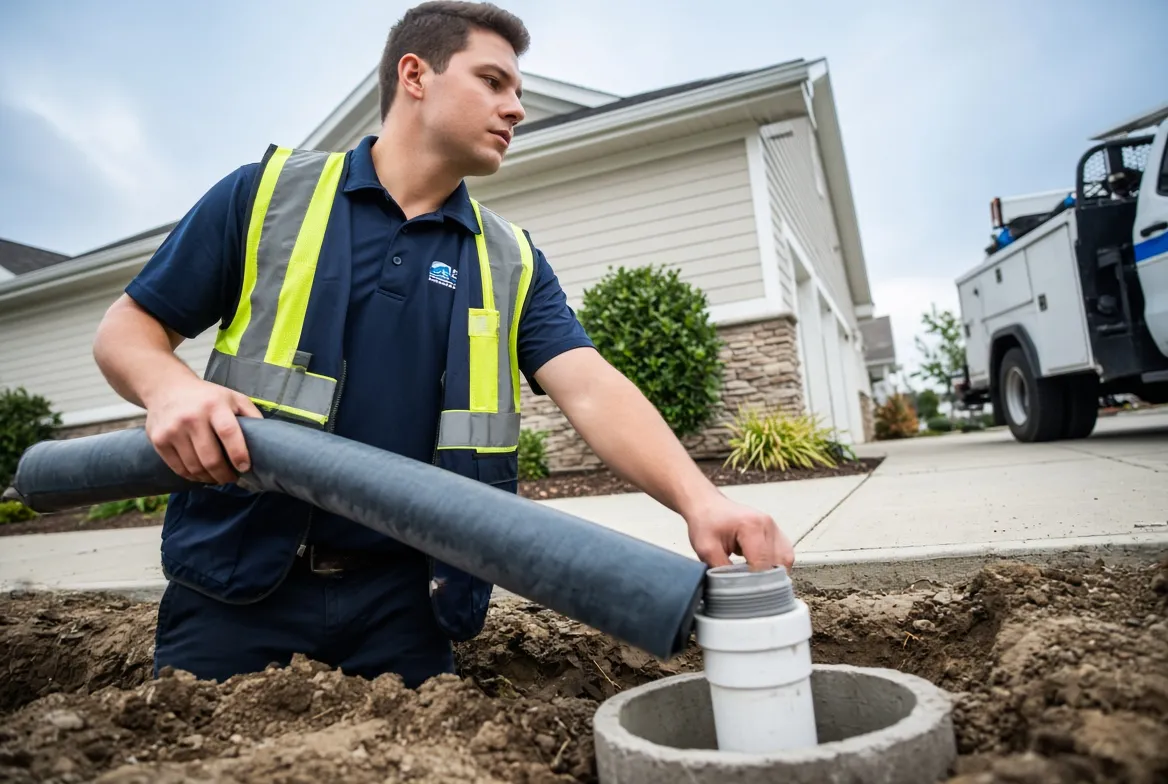
A resin-saturated liner is installed inside the old pipe and cured hard, forming a new jointless pipe within a pipe.
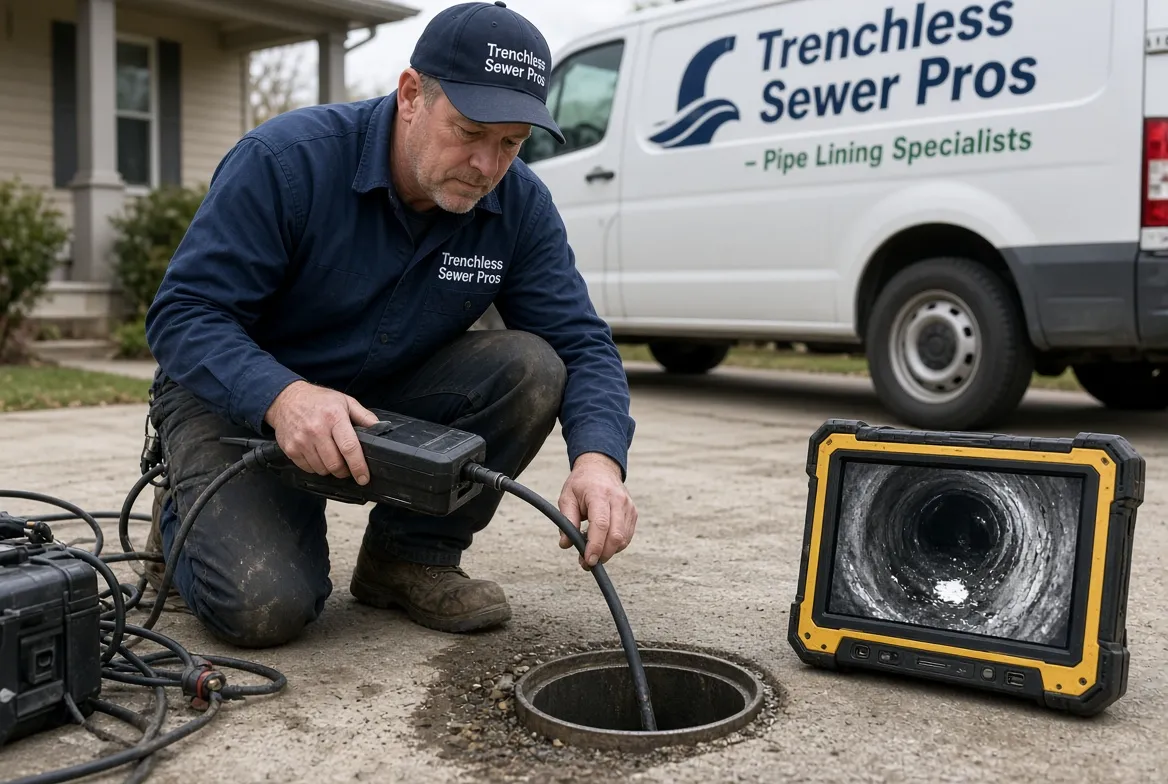
A self-levelling camera runs the full line and shows you exactly what is wrong before anyone quotes a repair.
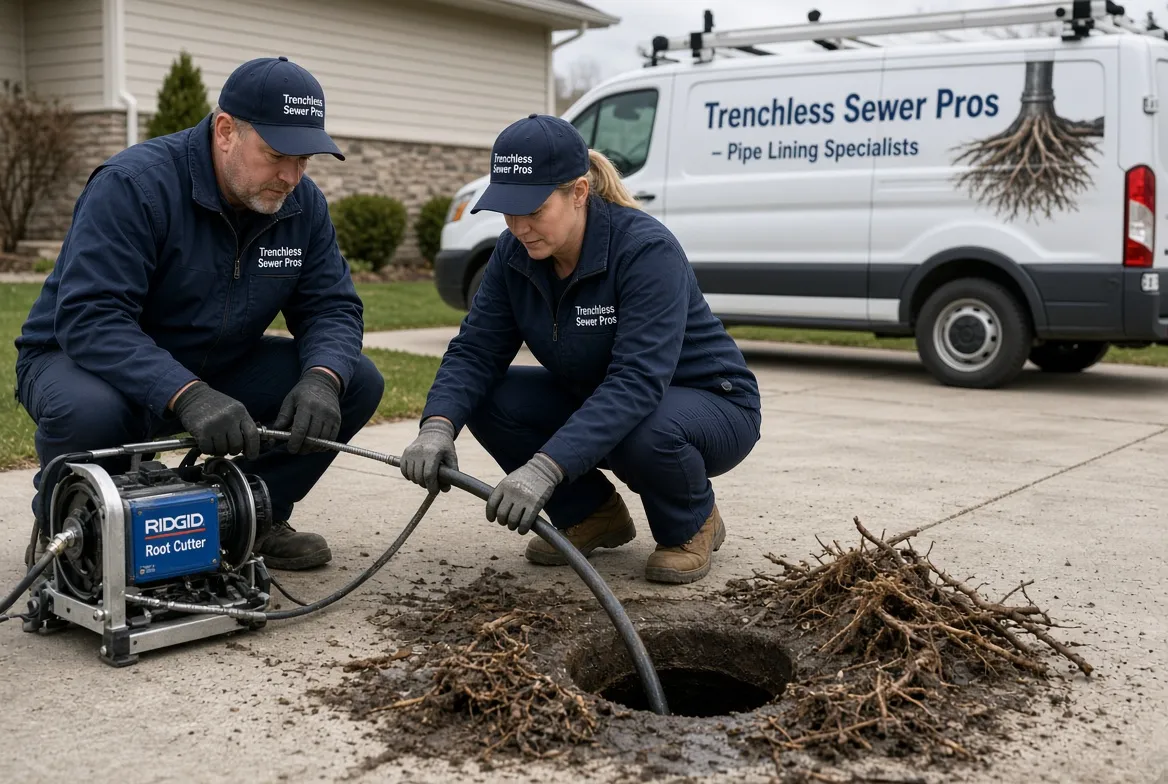
Cutting roots restores flow today. Sealing the joint they entered through is what stops them coming back.
Lines back up at the worst possible time. We answer 24/7, anywhere in the country, and every repair quote starts with a camera inspection so you see the pipe before you spend a dollar.